SEO in 2025: Dead or More Powerful Than Ever?
Introduction: The Rumor That Never Dies
Every year, someone declares the same thing: “SEO is dead.”
And yet, every time you Google something — whether it’s best budget camera for beginners or how to make pancakes without milk — millions of results appear. Clearly, SEO isn’t gone. It’s just evolving.
The truth is, SEO in 2025 isn’t about tricking algorithms anymore. It’s about understanding people and creating content that actually helps them. Search engines have become smarter, but they still depend on humans who know how to speak their audience’s language.
So, is SEO dead? Nope. In fact, it’s more powerful than ever — but only for those who know how to adapt.
1. The Old SEO Formula (and Why It Stopped Working)
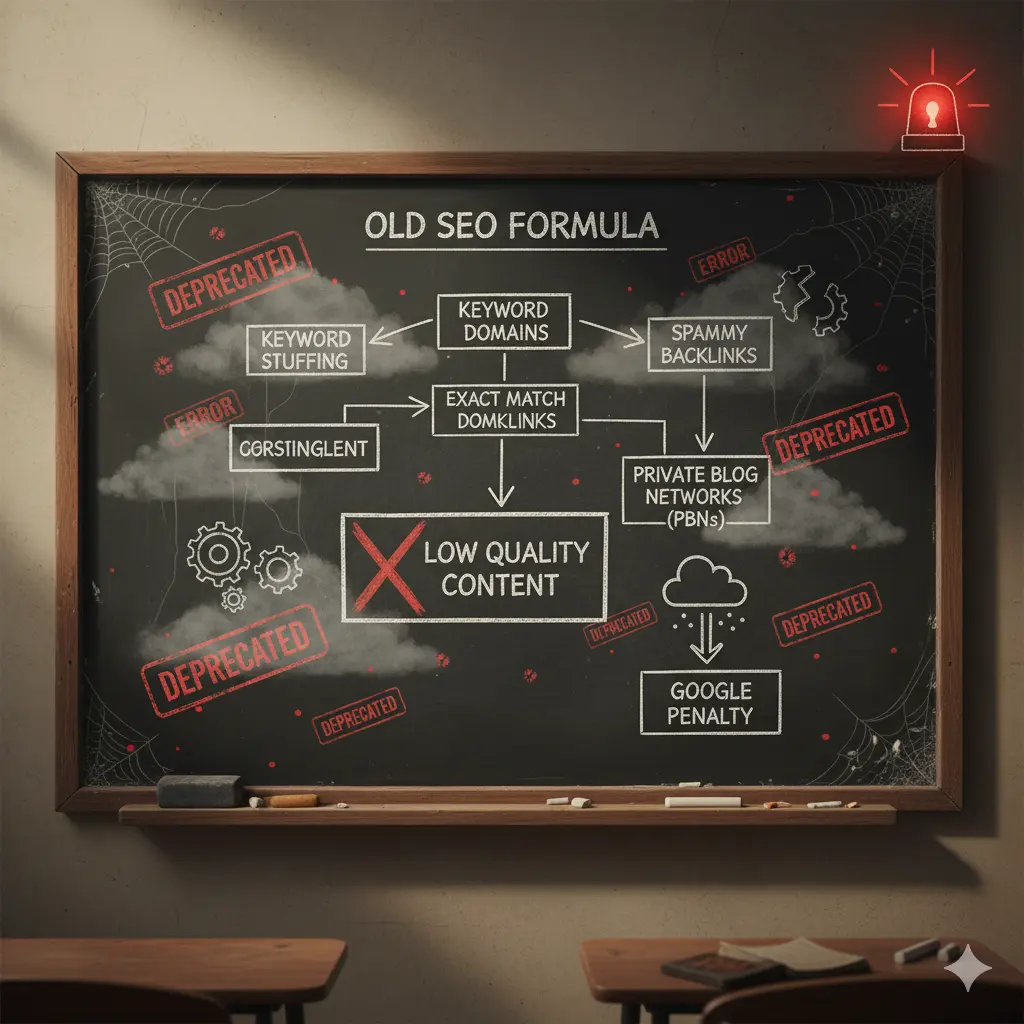
Let’s rewind for a second. Back in the day, SEO was pretty simple:
- Find a keyword
- Write an article with that keyword repeated a few times
- Build a few backlinks
And boom — you could land on page one of Google.
But things changed dramatically over the years. Google got smarter. Updates like Panda, Penguin, BERT, and Helpful Content started filtering out spammy content and rewarding authenticity.
Then came AI. Tools could now pump out hundreds of “optimized” articles within minutes. The result?
The internet became flooded with average, repetitive content that didn’t actually help readers.
So Google had to respond — by prioritizing experience, expertise, and human value.
2. AI and SEO: A Partnership, Not a War

AI isn’t killing SEO — it’s transforming it.
Instead of replacing search optimization, AI has become a collaborator. It helps with research, keyword discovery, and brainstorming content ideas faster than ever before.
For example, AI can suggest trending topics or summarize SERP data. But here’s the catch: AI can’t understand emotion, experience, or nuance — and that’s where real SEO power lies.
If you combine AI’s speed with your human insight, you create something unbeatable. Think of AI as your assistant — not your voice.
Pro tip: Use AI to analyze your competitors’ keywords or to speed up your drafts, but always rewrite with your own examples, opinions, and personal touch. That’s what Google values most under its E-E-A-T framework (Experience, Expertise, Authoritativeness, and Trust).
3. The 2025 Ranking Game Has New Rules
SEO fundamentals still matter — but how you apply them is different now.
Let’s break it down:
a. Keywords Still Matter (But Context Matters More)
Search engines don’t just look at single keywords anymore; they analyze intent.
Instead of asking, “What’s the keyword?” ask, “What’s the searcher really trying to find?”
Example:
- Old way: Stuff your article with “best running shoes.”
- 2025 way: Write an in-depth guide on “how to choose running shoes for flat feet or beginners.”
b. Content Depth Beats Word Count
Google can now recognize shallow, repetitive articles. Detailed, useful content wins — especially when it’s structured with headings, bullet points, and examples.
c. Backlinks Still Matter — But Quality Rules
One backlink from a credible, relevant source outweighs 100 random ones.
Build connections in your niche, contribute guest posts, or earn links naturally by creating content worth sharing.
d. Technical SEO = Trust
Fast, mobile-friendly, accessible websites are non-negotiable.
In 2025, Core Web Vitals and page experience are like your website’s credit score — ignore them and your content may never get seen.
4. The Rise of Search Beyond Google
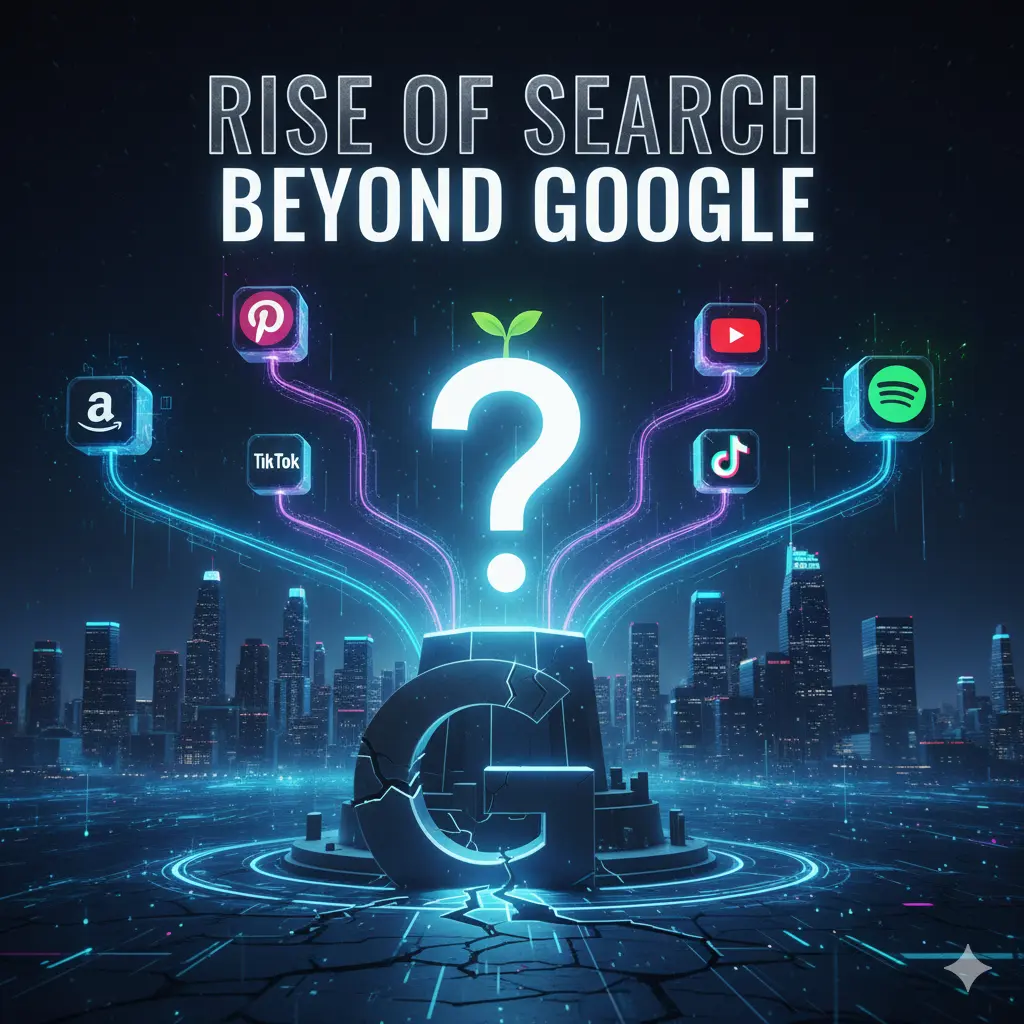
SEO isn’t just about Google anymore.
Today, people search everywhere — YouTube, TikTok, Amazon, even Reddit.
The same principles apply: optimize your content so it’s discoverable and relevant wherever your audience hangs out.
For example:
- On YouTube, your keywords go in titles, tags, and descriptions.
- On TikTok, captions and hashtags act like mini search terms.
- On Pinterest, your image descriptions are your SEO.
If you understand how search intent works, you can adapt it to any platform.
5. What You Should Focus On in 2025
Here’s what really moves the needle now:
User Intent Over Keyword Density
Every piece of content should solve a problem or answer a question. The more value it provides, the better it performs.
Build Topical Authority
Instead of writing random articles, build depth around one subject.
If your site covers fitness, don’t just post about workouts — cover nutrition, recovery, and mindset. Google rewards websites that show consistent expertise.
Visual and Voice Search Optimization
With smart speakers and image-based queries growing, focus on:
- Writing natural, conversational phrases (for voice search)
- Using descriptive file names and alt text (for image search)
AI-Assisted, Human-Enhanced Workflow
Use tools for analytics, outlines, and data — but write like a person. Your human perspective is what separates your content from thousands of generic AI pages.
6. The Human Edge: Why Google Still Needs You
The truth is simple: Google doesn’t want perfect AI writing; it wants authentic human expertise.
If you’ve actually used a product, worked in an industry, or solved a problem, your voice carries authority that algorithms can’t fake.
When people feel your experience through your words, Google’s systems do too.
So the next time you hear “SEO is dead,” remember — it’s just evolving to match real human behavior.
Action Steps to Win in 2025
- Audit your content — remove low-quality or outdated posts.
- Write for humans first, algorithms second.
- Leverage AI tools for ideas, not final drafts.
- Track performance monthly using Google Search Console.
- Stay consistent — SEO is a long game, not a sprint.
FAQs
Q1: Will AI take over SEO completely?
No. AI can automate tasks, but it can’t replace genuine experience or understanding of audience intent. SEO is now about combining data with creativity.
Q2: What’s the biggest change in SEO in 2025?
Google’s emphasis on E-E-A-T and useful content. It’s not about quantity of articles but depth and credibility.
Q3: Is keyword research still important?
Absolutely. Keywords tell you what people care about. Just don’t obsess over them — focus on answering the question behind each keyword.
Q4: How long does SEO take to show results in 2025?
Typically 3–6 months for new sites, depending on niche, content quality, and competition.
Q5: What’s the best SEO advice for beginners this year?
Start small, focus on one niche, write helpful content, and keep improving based on real search data.
Final Thoughts
SEO in 2025 isn’t dead — it’s just grown up.
It’s less about chasing algorithms and more about earning attention through genuine value.
If you combine smart tools, real insight, and consistent effort, you won’t just survive the SEO shifts — you’ll thrive through them.
Watch the Full Video
Want to see this explained visually?
Watch the full video on YouTube here:
In the video, I break down these same ideas step-by-step — including examples of how AI has changed keyword strategy, what Google looks for now, and how to adapt your content easily.